Why Brushing With Braces Matters
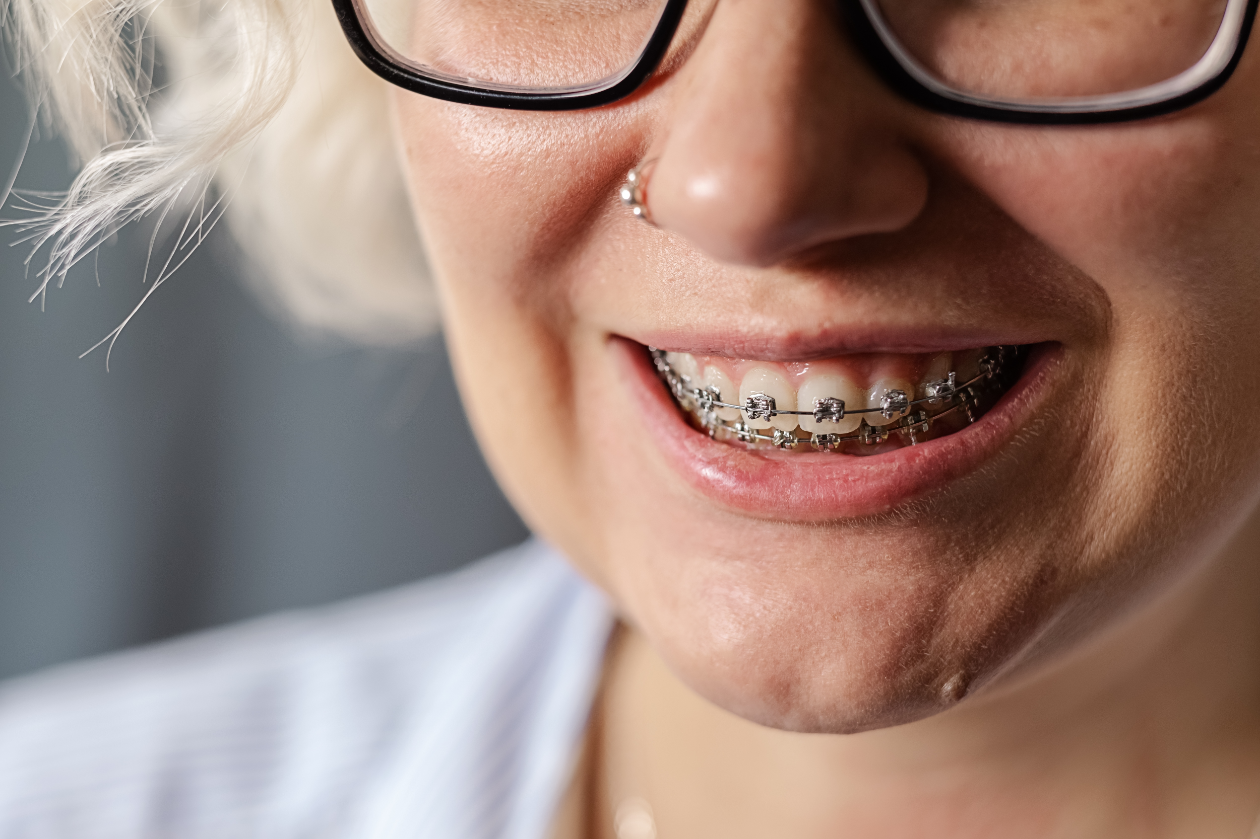
Brushing with braces matters because brackets and wires create dozens of hiding spots where food and plaque collect. Without thorough daily cleaning, those spots can lead to cavities, gum disease, and permanent white marks on your enamel. Good hygiene protects both your teeth and your treatment results at Storms Orthodontics in Northwest Arkansas.
Picture this: you just finished lunch, and tiny bits of sandwich are now hiding behind every bracket on your teeth. Understanding why regular brushing matters during orthodontic care protects your smile and your treatment results. Those brackets and wires create dozens of tiny spaces where food particles and plaque love to hide. Without proper cleaning, these hidden areas become breeding grounds for bacteria that can damage your teeth and gums.
Cleaning around braces isn’t just about running a toothbrush over your teeth. It means scrubbing every surface of each tooth, along your gumline, and around each bracket and wire. Skip this step, and you risk developing permanent white spots on your enamel, cavities, or even gum disease.
The good news? Daily brushing protects your smile and keeps your treatment on track. Maintaining excellent oral hygiene during orthodontic care is essential for achieving the best possible results, and many orthodontic patients can develop white spot lesions on enamel without proper hygiene habits in place. Your daily routine has a direct effect on how your teeth look the day your braces come off. Dr. Storms, an orthodontic specialist with specialized orthodontic training, sees the difference good habits make every day at Storms Orthodontics in Northwest Arkansas.

How to Properly Brush With Braces
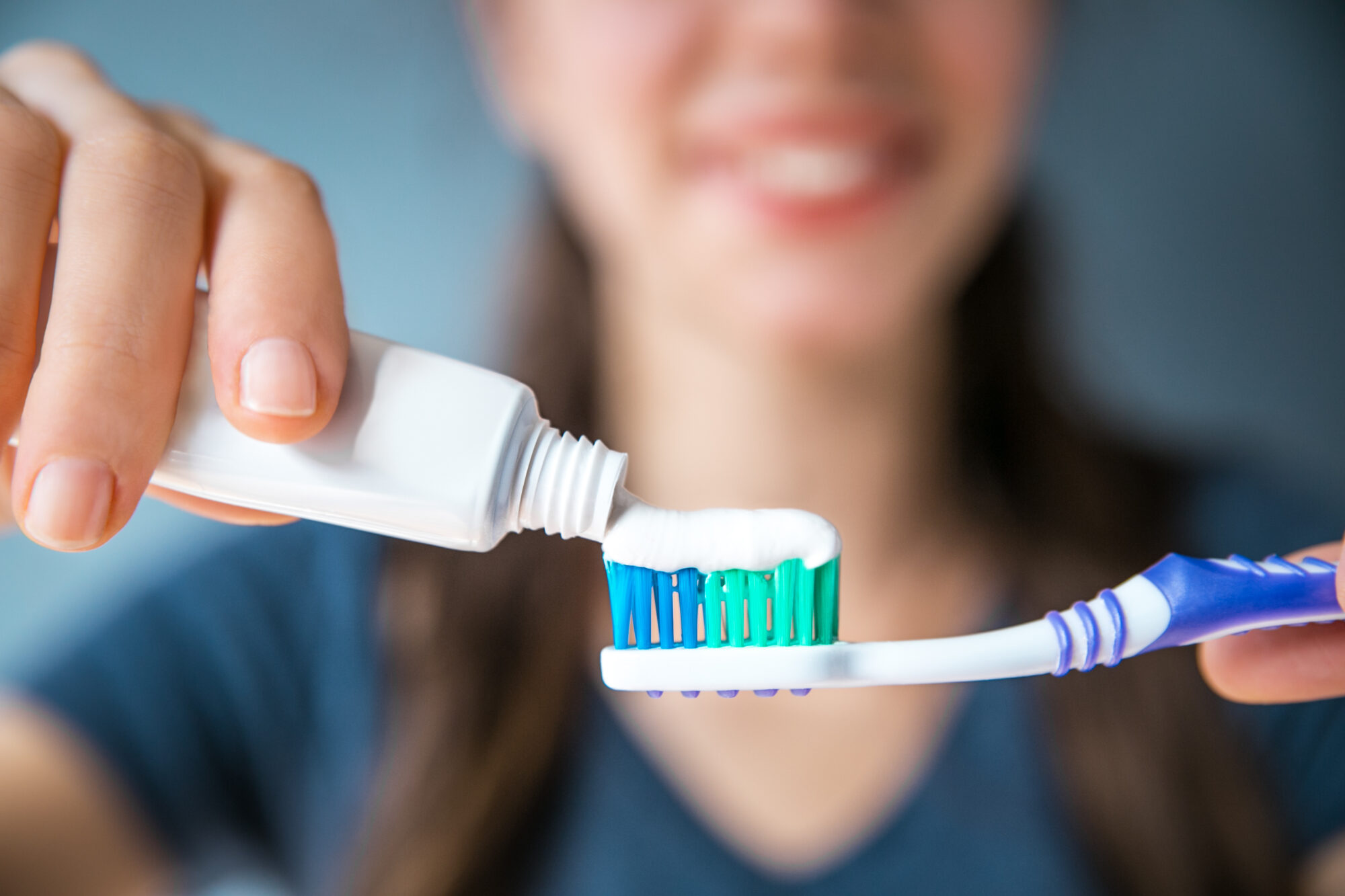
Brushing with braces takes more time and attention than regular brushing, but the technique is easy to master. Try this step-by-step approach:
- Brush after every meal using a soft-bristled or orthodontic toothbrush. Food trapped in braces starts forming plaque within minutes.
- Angle your bristles at 45 degrees above and below each bracket. This position lets you clean the gumline where plaque builds up most.
- Use small circular motions on each tooth and bracket. Spend about 2 minutes total, giving attention to every surface.
- Rinse thoroughly with water to flush out loosened debris from around your wires and brackets.
- Floss daily using a floss threader or water flosser. Threading floss under the wire takes practice, but it’s essential for reaching between teeth.
- Finish with fluoride mouthwash to strengthen your enamel and reach areas your brush might miss.
Your orthodontist or smile expert can demonstrate proper technique during a routine visit, so ask for a hands-on lesson anytime if anything feels confusing.
Benefits of Consistent Brushing During Treatment
Steady brushing throughout your orthodontic care protects your smile in real, tangible ways, the kind you’ll notice in the mirror and feel in healthier gums.
How Does Daily Brushing Prevent Cavities and White Spots?
Plaque is the real culprit behind cavities and the chalky white spots that sometimes appear after braces come off. By clearing plaque away two to four times a day, you stop acid from sitting on enamel long enough to cause damage. Fluoride toothpaste adds another layer of defense, remineralizing weak spots before they turn into permanent marks.
What Other Oral Health Issues Does Brushing Help Avoid?
Steady brushing keeps gum tissue healthy, cuts down on bad breath, and helps your treatment stay on schedule. Swollen, bleeding gums can slow progress and make adjustments more uncomfortable. A clean mouth simply heals and shifts more predictably.
Quick recap of the wins:
- Prevents plaque buildup around brackets and gumline
- Reduces cavity risk during treatment
- Helps avoid gum disease and bleeding
- Eliminates bad breath from trapped food
- Stops white spot stains after braces removal
- Keeps treatment on schedule and saves money long term
Brushing With Braces vs. Without Braces
Your oral care routine changes significantly when you have braces. Compare the two side by side:
| Aspect | Without Braces | With Braces |
|---|---|---|
| Frequency | Twice daily (morning and night) | After every meal plus before bed |
| Toothbrush Type | Standard soft-bristled | Orthodontic or interdental brush recommended |
| Flossing Method | Regular dental floss | Floss threaders, super floss, or water flosser |
| Time Required | About 2 minutes | 4-5 minutes for thorough cleaning |
| Additional Tools | Optional mouthwash | Fluoride rinse strongly recommended |
The extra time is worth it. Those few additional minutes each day prevent problems that could affect your smile for years after treatment ends.
What Good Brushing Habits Save You
Proper brushing during orthodontic care isn’t just about avoiding problems. It’s about protecting yourself from expenses and hassles down the road:
- Avoiding fillings for cavities that develop during treatment
- Preventing extra professional cleanings beyond your routine schedule
- Reducing the need for cosmetic treatments to address white spot lesions after braces
- Avoiding extended treatment time due to hygiene-related complications
- Protecting the time and money you’ve put into orthodontic care
Quality tools make a difference too. Putting money into a good electric toothbrush or water flosser pays off throughout treatment and beyond. These tools often remove plaque better than manual brushing alone, especially around brackets where access is tricky.
Essential Tools for Brushing Your Teeth with Braces
Having the right tools makes brushing with braces much easier. Keep these items in your oral care kit:
- Soft-bristled or electric toothbrush for thorough plaque removal without damaging brackets
- Interdental (proxy) brushes to clean the small spaces between wires and brackets
- Floss threaders or orthodontic floss designed for threading under wires
- Water flosser as a great alternative or supplement to traditional floss. Water flossers use a steady stream of pulsing water to dislodge food and plaque from spots that string floss often misses, and many families find them faster and more comfortable than threading.
- Fluoride toothpaste and mouthwash for enamel protection and cavity prevention
- Disclosing tablets to identify missed plaque areas. These chewable tablets temporarily stain leftover plaque a bright color so you can see exactly where your brushing technique needs work, which is especially useful for kids and teens still building good habits.
You don’t need to buy everything at once. Start with a quality toothbrush, interdental brushes, and a flossing solution that works for you. Add other tools as you grow comfortable with your routine. Many smile experts at Storms Orthodontics recommend electric brushes for braces patients because the consistent motion does some of the work for you.
Your smile transformation depends on more than just wearing braces. It requires taking care of your teeth every day throughout treatment. The brushing habits you build now will serve you well long after your braces come off, contributing to a healthier mouth for life.
Got questions about your routine? Talk with your orthodontist at your next visit. Dr. Darrin Storms, an orthodontic specialist and Northwest Arkansas native with years of specialized orthodontic training, can review your technique, suggest tools that fit your needs, and answer any concerns about caring for your braces at home. To learn more about starting your smile story, contact Storms Orthodontics in Northwest Arkansas.

Frequently Asked Questions
How often should I brush with braces?
Brush after every meal and before bed. Most people with braces brush four or more times daily. Food particles start forming plaque quickly, and the brackets create extra hiding spots. Carrying a travel toothbrush makes it easier to clean up after lunch at school or work.
What happens if I don’t brush regularly with braces?
Skipping brushing leads to plaque buildup around your brackets. This can cause tooth decay, gum disease, and permanent white spots on your enamel called decalcification. Those white spots remain visible even after your braces come off, affecting the look of your new smile.
Can I use an electric toothbrush with braces?
Yes, and many smile experts recommend them. Electric toothbrushes often clean better around brackets than manual brushing. Look for one with a small, round head that can maneuver around wires. Just use gentle pressure to avoid damaging your brackets.
How long should I brush with braces?
Spend at least 2 minutes brushing, but plan for 4-5 minutes total when you include all the extra attention brackets need. Focus on each tooth individually, cleaning above, below, and on the bracket itself. Setting a timer helps you avoid rushing.
Why do my gums bleed when I brush with braces?
Bleeding gums signal early gingivitis from plaque sitting along your gumline. It’s common when people first get braces and are still adjusting their technique. Keep brushing the area gently but thoroughly, and bleeding usually improves within one to two weeks.
Is mouthwash necessary with braces?
While not strictly required, fluoride mouthwash is strongly recommended during orthodontic care. It strengthens your enamel, reaches areas your toothbrush can’t access, and provides extra protection against cavities. Swish for 30 seconds after brushing and flossing.
Where can I get help with my braces routine in Northwest Arkansas?
Storms Orthodontics serves families across Northwest Arkansas with personalized care and hands-on coaching for hygiene routines. Schedule a free consult to have your technique reviewed and your tools customized to your smile.
Storms Orthodontics provides braces in Fayetteville, braces in Springdale, braces in Siloam Springs, Invisalign, and full orthodontics for all ages. Visit your first visit page or contact us to get started. decay.
Gum Disease
If you do not regularly brush your teeth with braces, you may develop gum disease. When food particles and plaque accumulate around your braces, they can irritate your gums and cause inflammation. This inflammation can lead to gingivitis, an early stage of gum disease. If left untreated, gingivitis can progress to periodontitis, which can result in tooth loss.
Bad Breath
Failing to brush your teeth regularly while wearing braces can cause bad breath. Bacteria in your mouth produce a foul odor that can linger on your braces and teeth, causing an unpleasant smell. Regularly brushing your teeth and braces can help remove food particles and bacteria, preventing bad breath.
Stained Teeth
If you do not brush your teeth regularly while wearing braces, you may develop stains on your teeth. The brackets and wires of your braces can trap food particles and bacteria, leading to discoloration. Brushing your teeth regularly and avoiding certain foods and drinks that can cause staining can help prevent this issue.
In conclusion, regularly brushing your teeth while wearing braces is critical to maintaining proper oral hygiene. Not brushing your teeth regularly can lead to plaque buildup, tooth decay, gum disease, bad breath, and stained teeth. Brush your teeth twice a day, floss regularly, and use a mouthwash to help maintain a healthy smile. Additionally, schedule regular appointments with Storms Orthodontics to ensure that your braces are properly adjusted, and any dental problems are addressed promptly.