
Choosing braces is a decision that touches how you feel about your smile every day. If you’re weighing metal braces against ceramic braces, you’re not alone. Both options can deliver a straighter, healthier smile, but they differ in appearance, comfort, and a few other details worth knowing.
This guide from the team at Storms Orthodontics walks you through the honest trade-offs between the two, so you can walk into your free consult with confidence. We’ll cover looks, treatment time, durability, and the everyday habits that come with each option. Both are highly effective when matched to the right case, and by the end, you’ll have a clear sense of which one fits your life.

What Are Metal Braces?
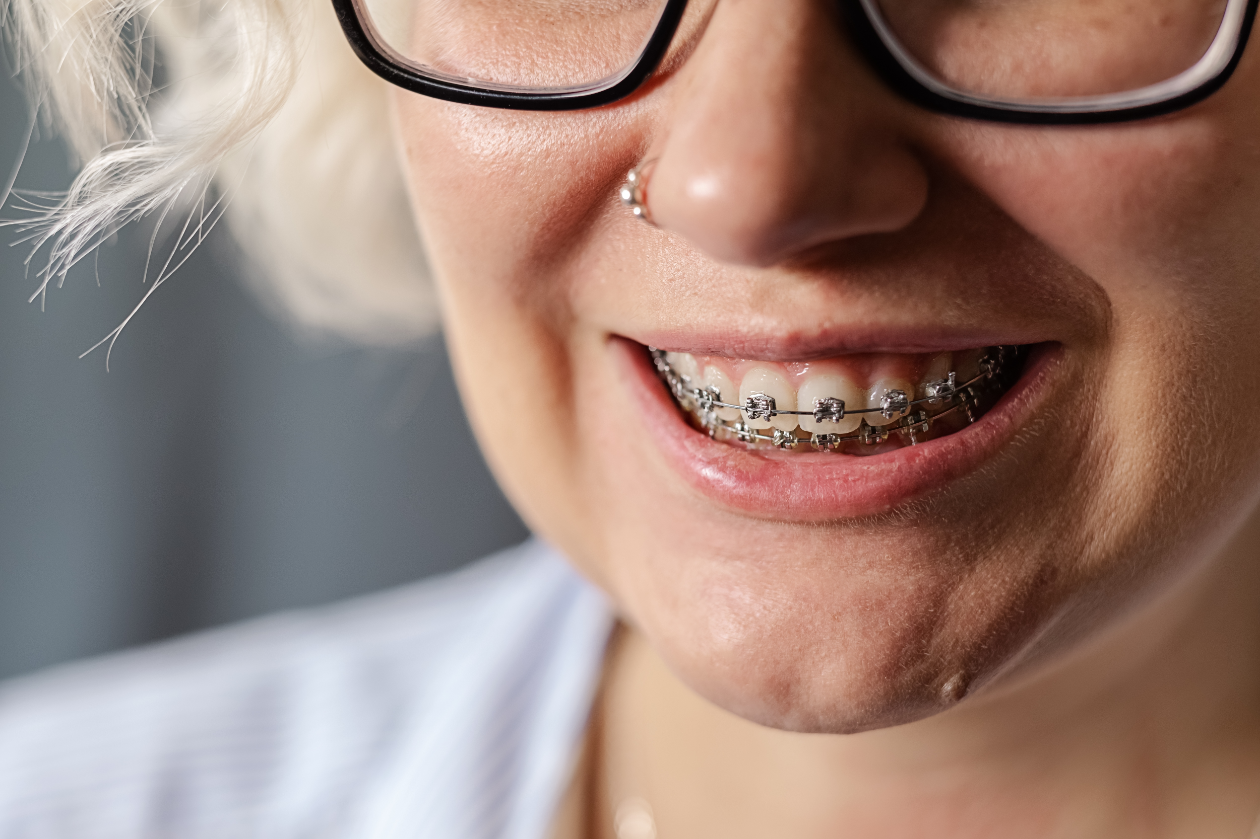
Metal braces are stainless steel brackets bonded to each tooth and connected by a thin archwire that guides teeth into their new positions. Today’s brackets are much smaller and more comfortable than the bulky versions many adults remember from years ago.
One of the fun perks for kids and teens is the option to swap out colored elastic bands at each visit. Show school pride, celebrate a holiday, or pick a favorite color for the season. Modern self-ligating metal braces take things a step further by using a built-in clip instead of elastic ties, which can mean less friction and fewer visits during treatment.
What Are Ceramic Braces?
Ceramic braces are tooth-colored or translucent brackets that blend in with your natural enamel while working the same way as metal braces. Mechanically, they move teeth using brackets and an archwire to guide gentle, steady pressure — just with a much more discreet look.
Because they’re so much less noticeable from a normal talking distance, ceramic braces are a popular pick for:
- Adults who want a discreet look at work
- Image-conscious teens and college students
- Anyone who’s photographed often
Ceramic braces come with either clear or tooth-colored ligatures, giving you a subtle, polished appearance throughout treatment.
Key Differences at a Glance
Here’s a quick side-by-side look at how the two compare on the factors most families ask about:
| Feature | Metal Braces | Ceramic Braces |
|---|---|---|
| Appearance | Visible silver brackets | Blend with tooth color |
| Treatment time | Typical range | May run slightly longer |
| Durability | Highly durable | Slightly more fragile |
| Staining risk | None on brackets | Ligatures can discolor |
| Color options | Fun colored bands | Clear or tooth-colored |
The biggest trade-off comes down to aesthetics versus durability. Now let’s break each factor down in more detail.
Appearance
Metal brackets are silver and clearly visible when you smile. For many kids and teens, that’s part of the fun, especially when they can customize with colored bands. Ceramic braces, by contrast, are designed to blend in. From a few feet away, most people won’t notice you’re wearing them at all, which is why they’re so popular with adults.
Treatment Time
Most braces cases take between 18 and 24 months, though your specific timeline depends on what your teeth need to do. Ceramic braces can sometimes take a little longer because of how the brackets interact with the archwire. That said, case complexity matters far more than bracket type. A straightforward case in ceramic braces may finish faster than a complex case in metal.
Comfort and Durability
Metal brackets are the hard-working workhorses of orthodontics. They’re durable, resist chipping, and rarely break under normal wear. Ceramic brackets are slightly larger and can chip if bitten down on hard foods. Both types cause a bit of soreness right after adjustments, which usually eases within a few days. Today’s brackets, in either material, feel much smoother against your cheeks than older styles.
Staining and Maintenance
Do ceramic braces stain? The brackets themselves resist staining, but the tiny elastic ligatures that hold the wire in place can discolor over time. Common culprits include:
- Coffee and tea
- Red wine
- Curry and heavily pigmented sauces
- Tobacco use
Ligatures are swapped out at each monthly visit, so any discoloration is temporary. Metal braces don’t have this concern at all, which is one reason they’re a favorite for coffee lovers.

Pros and Cons of Metal Braces
Pros:
- Most durable brackets available
- Often the fastest option for complex cases
- Fun colored bands for personalization
Cons:
- More visible in photos and conversations
- May affect self-image for some adults
- Cheeks may need a short adjustment period
Metal braces are a smart pick for families and cases that need maximum control.
Pros and Cons of Ceramic Braces
Pros:
- Discreet, blends with natural teeth
- Effective for most orthodontic cases
- Popular with adults and older teens
Cons:
- Ligatures can stain between visits
- Slightly more fragile under pressure
- May add a bit of time to treatment
Ceramic braces work well when appearance is a top priority and you’re happy to be mindful of staining foods.
Who Should Choose Metal Braces?
Metal braces are often the best match if you:
- Have a complex case that needs strong, steady tooth movement
- Are a teen who loves customizing with colored bands
- Play contact sports or a wind instrument and need maximum durability
Ceramic Braces for Adults: Who Should Choose Them?
Ceramic braces work well if you:
- Are an adult professional who wants a discreet look at work
- Are an image-conscious teen or college student
- Are a public speaker, performer, or someone photographed often
- Are comfortable being a bit more mindful about staining foods
Ready to see which option fits you best? Schedule your free consult with Storms Orthodontics.
Hybrid Option: Ceramic on Top, Metal on Bottom
Here’s an option many families don’t know about: you can wear ceramic brackets on your upper teeth and metal on your lower teeth. Because your bottom teeth are far less visible when you talk and smile, this hybrid approach gives you the aesthetic benefit where it matters most. It also lowers the chance of chipping on the lower arch, which handles more biting force. Ask your orthodontist whether this combination is available for your case.
Alternatives to Consider
Braces aren’t your only option for straighter teeth. Depending on your case, you may also want to explore:
- Invisalign clear aligners for mild-to-moderate cases where you want a virtually invisible, removable option
- Lingual braces, which are placed behind the teeth for full invisibility from the front, though they can take some getting used to on the tongue
- Self-ligating brackets (available in metal or ceramic) for reduced friction and potentially fewer visits
Each option has its own strengths, and your orthodontist can help you compare them side by side based on your specific needs.
How to Decide: Questions to Ask Your Orthodontist
Come to your free consult ready with questions. Here are a few worth asking:
- Which option is best for the complexity of my case?
- How will each choice affect my treatment timeline?
- Do you offer self-ligating or hybrid bracket options?
- What foods and habits should I avoid during treatment?
Getting clear answers to these questions makes the final choice much easier.

Frequently Asked Questions
Do ceramic braces work as fast as metal braces?
In many cases, yes. Some ceramic brackets add a small amount of time due to friction with the archwire, but case complexity matters far more than bracket material.
Do ceramic braces stain?
The brackets themselves resist staining, but the small elastic ligatures can discolor from coffee, tea, red wine, curry, or tobacco. Ligatures are replaced at each visit, so any staining is temporary.
Which braces are more comfortable?
Both cause mild soreness after adjustments, and both feel smoother than older-style brackets. Metal brackets are slightly smaller, while ceramic brackets are a bit larger but blend in visually.
Can you mix metal and ceramic braces?
Yes. Many families choose ceramic brackets on the upper teeth for visibility and metal on the lower teeth for durability. Ask your orthodontist if this hybrid option fits your case.
Schedule a Consultation
The right choice comes down to your lifestyle and how you want to feel about your smile during treatment. Both self-ligating metal braces and ceramic braces can give you a healthy, well-aligned result, and only an orthodontist can recommend the ideal fit after seeing your teeth in person.
At Storms Orthodontics, we’ll walk you through every option and help you find the right fit for your smile and your life. Book your free consult today and let’s find the option that fits you best.